Stability at a Cost: Navigating the Benefits Cliff for Vermont Families
At Elevate Youth Services, we know that supporting young people and families means looking beyond immediate needs and addressing the systems that shape their futures. Recently, our staff had the opportunity to deepen that understanding through a powerful training with Green Mountain United Way on Working Family Stability & Bridging the Benefits Cliff. This training pushed us to think differently, not just about poverty, but about the structural barriers that quietly keep families from moving forward.
The “benefits cliff” is one of those barriers. It occurs when a small increase in income triggers a sudden and disproportionate loss of public benefits such as childcare assistance, housing support, or food aid. For many working families earning low-to-moderate incomes, this creates an impossible tradeoff: earning more can actually leave them with less.
In a high-cost state like Vermont, that tradeoff becomes even more stark. Take housing, for example, something everyone can relate to. A small raise at work might push a family just over the eligibility threshold for rental assistance, resulting in the sudden loss of hundreds of dollars in monthly support. That modest increase in wages is quickly outweighed by the real cost of rent, leaving families scrambling to fill the gap sometimes even unable to find housing. Instead of progressing toward stability, families can become trapped in cycles of financial insecurity—forced to make difficult decisions about work, education, and caregiving that ultimately limit long-term opportunity.
Green Mountain United Way is leading innovative, statewide efforts to address the benefits cliff and promote economic mobility. Through their Working Bridges program, they partner with employers and employees to navigate these challenges in real time—offering practical tools, policy insight, and on-the-ground support.
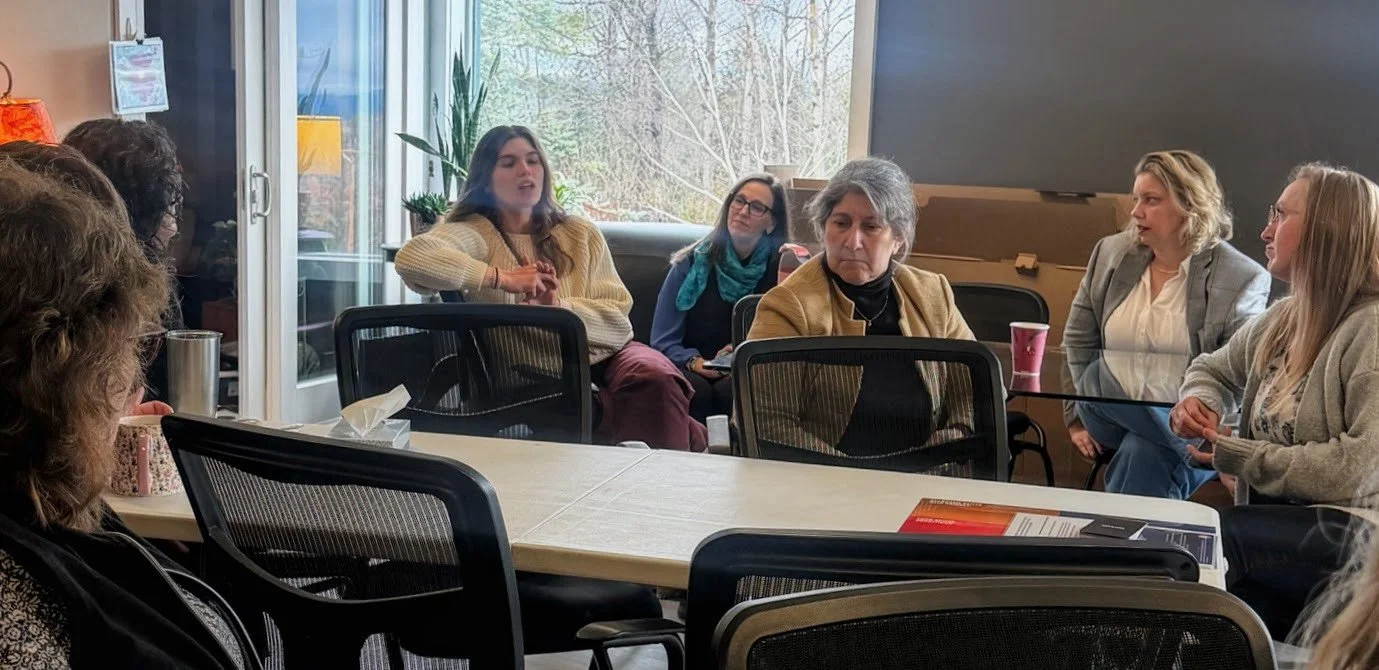
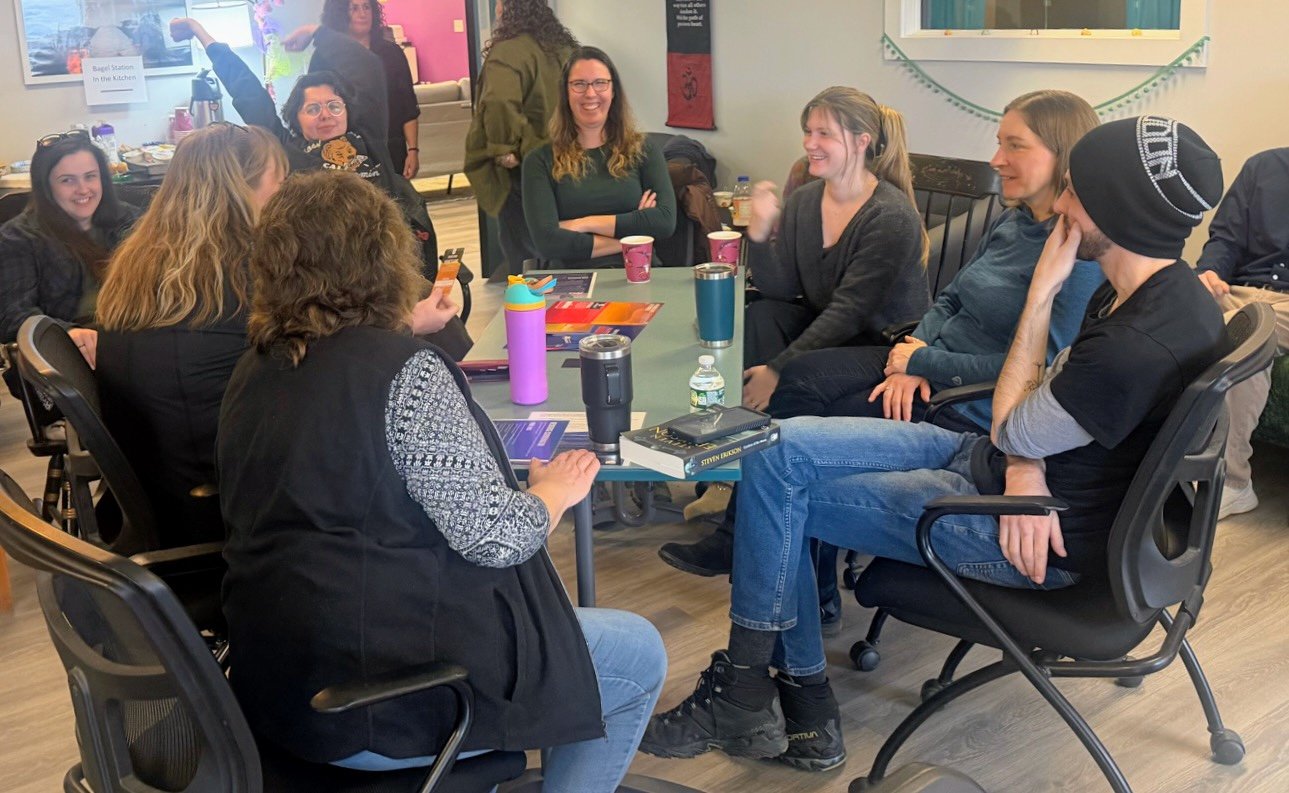
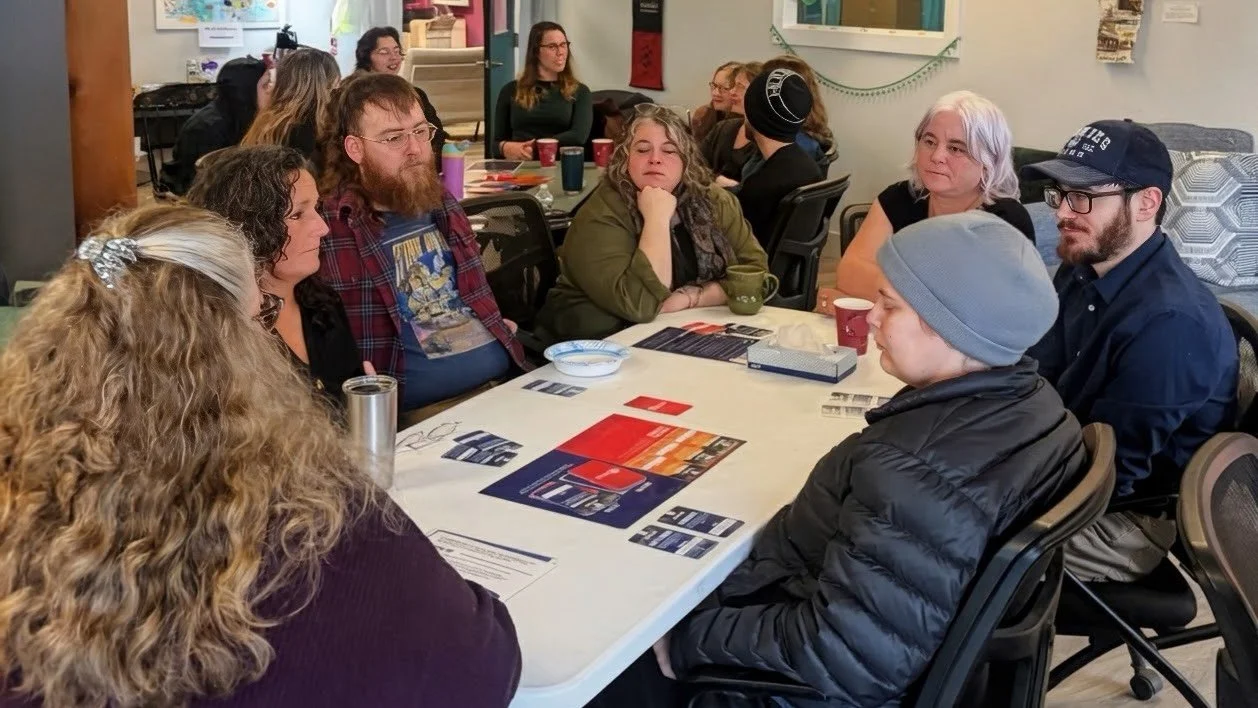
One of the most powerful parts of the training was an interactive simulation developed in partnership with Game Theory. Working in teams, we stepped into real-life scenarios, taking on roles and navigating tough decisions. It quickly became clear just how complex—and precarious—financial decision-making can be for working families.
Solving the benefits cliff isn’t just about policy—it’s about people. It’s about creating a system where hard work leads to stability, not setbacks. In a place like Vermont, where the cost of simply getting by can be so high, this conversation isn’t abstract—it’s personal, and it’s urgent.
We are grateful to Green Mountain United Way for their leadership and partnership in this space, and we look forward to continuing this work together—so that every young person and family has a clear, supported path forward.
